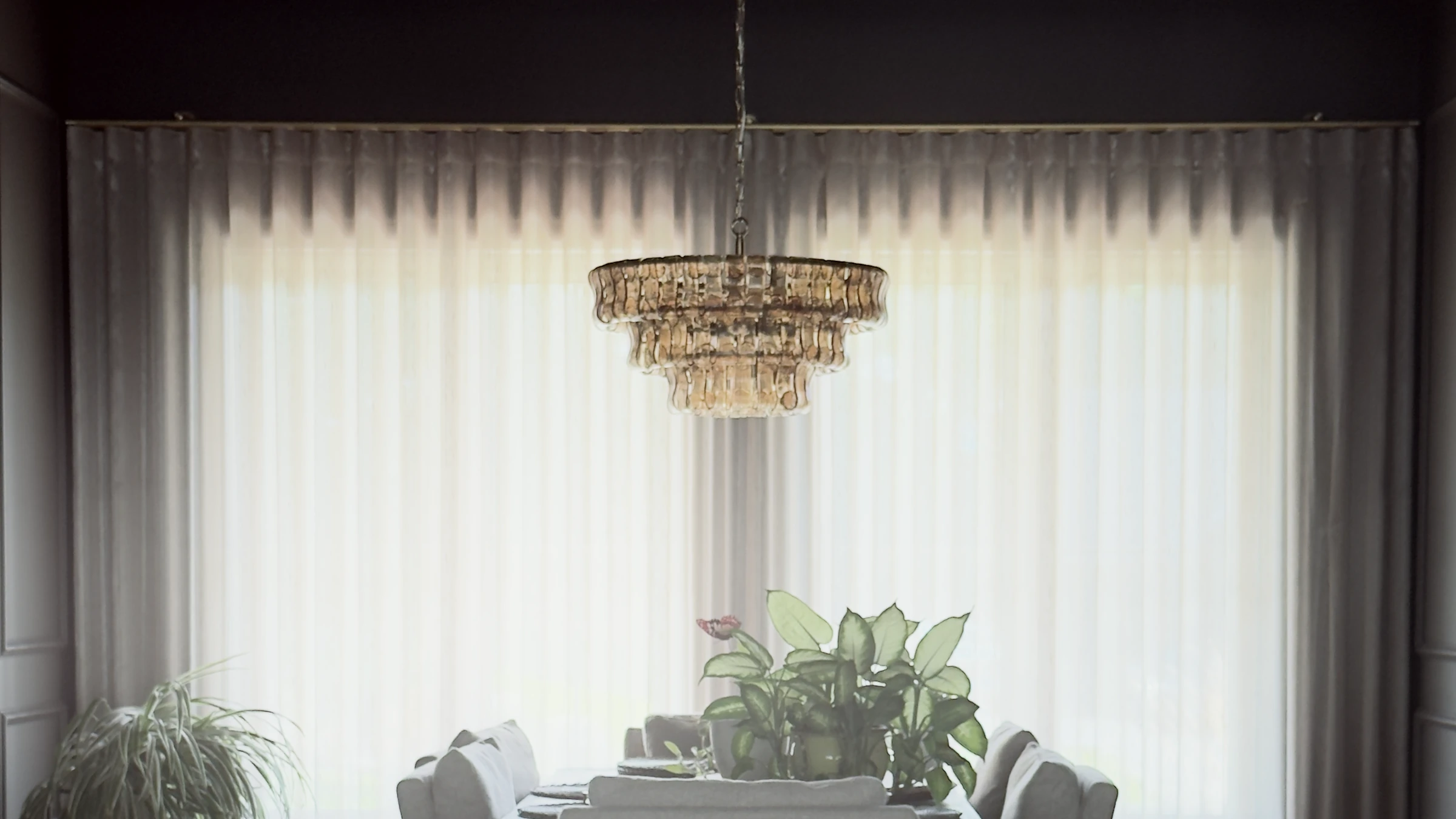
Drapery and curtains Soft light, floor to ceiling.
Tall windows rarely suit anything ready-made. We measure yours, then sew to fit.
Complimentary design consultation at your home or cottage. We bring the samples and leave you with a written quote.
5.0 from over 150 Google reviewsA fabric changes with the light it hangs in. The same sheer looks one way at a north window and another at a west one, so you choose it at yours.


Light Softened, framed or darkened.
Many rooms take two layers: a sheer or a light-filtering shade by day, and blackout drapery for a dark room.
-
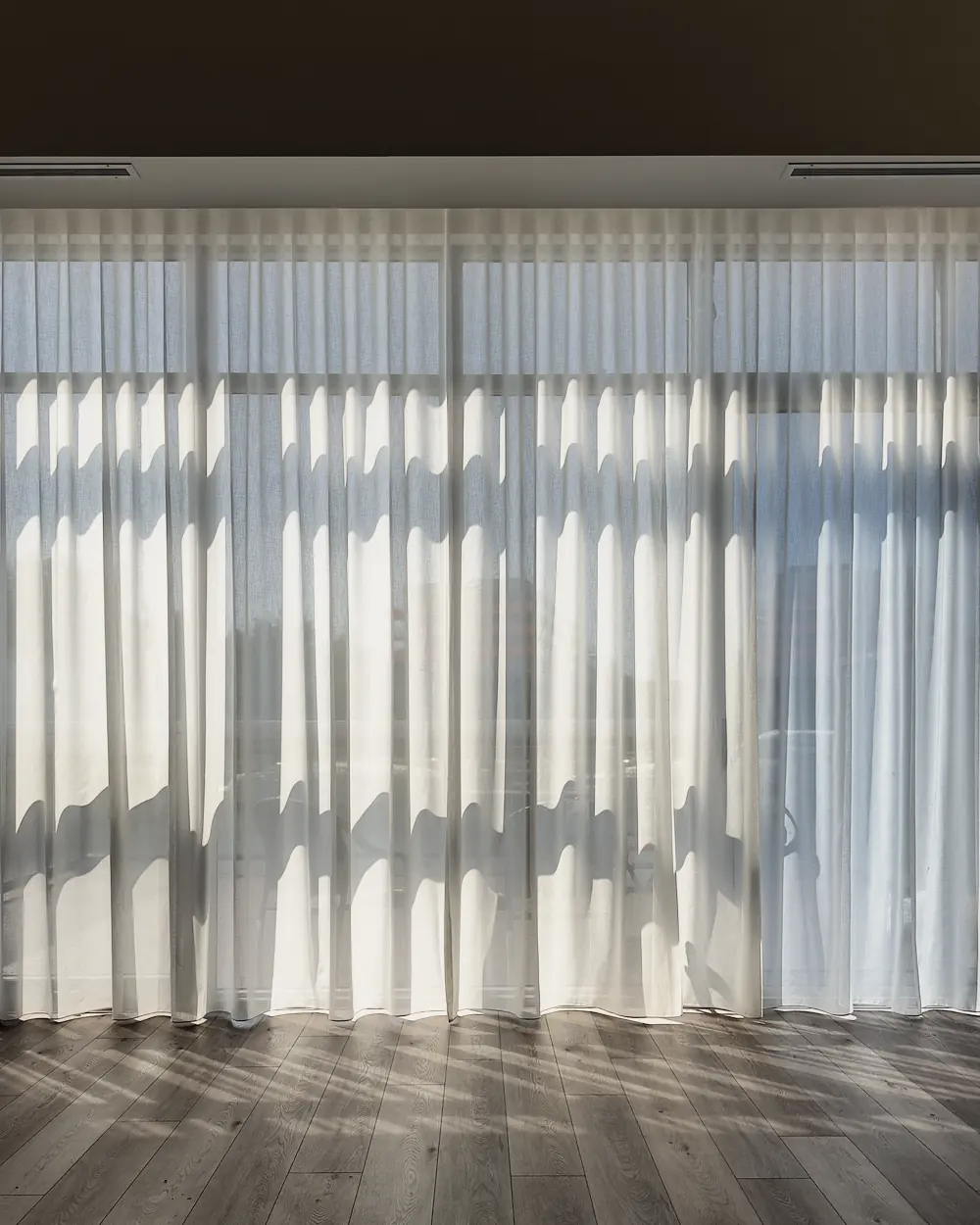
Sheers
Daylight, softened.
By day, a sheer across a wall of glass keeps the room full of light and blurs the view in from outside; after dark, with the lamps on, draw the drapery across it.
-
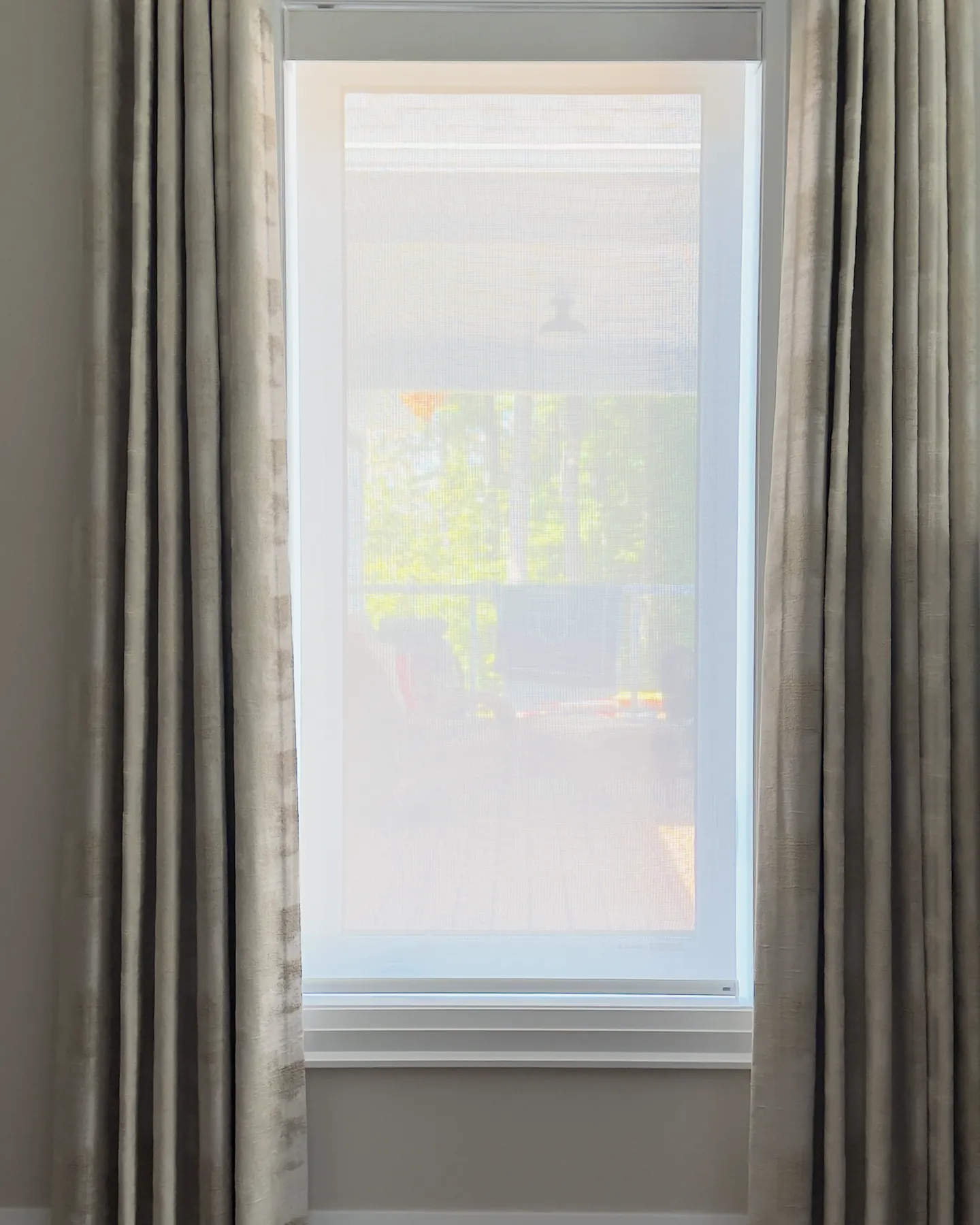
Drawn back
The window, framed.
With wall to spare, the open panels stack beside the window and frame the view.
-
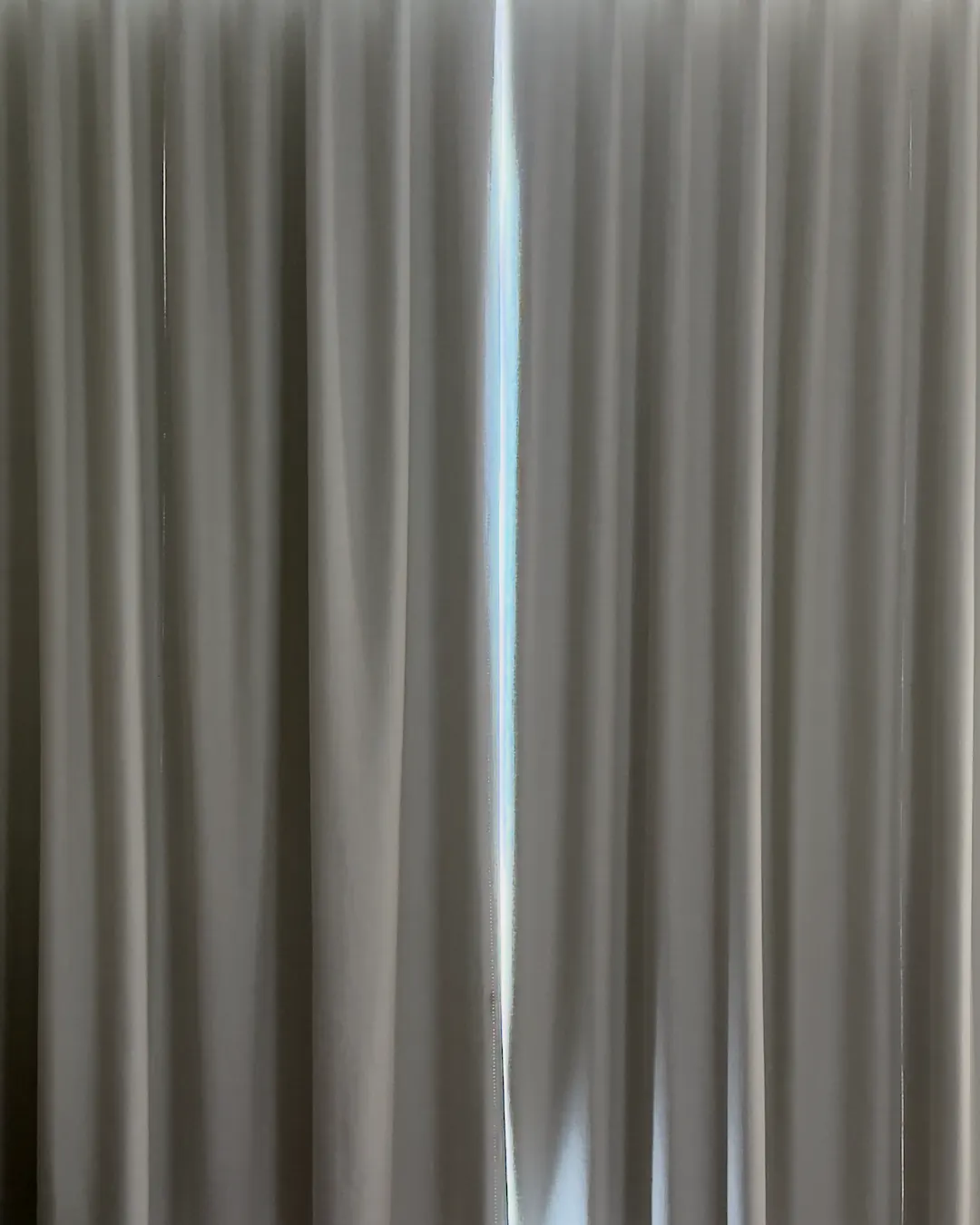
Blackout
A dark room at midday.
Drawn fully closed, blackout drapery is our surest way to a dark room. It is usually paired with a light-filtering roller shade behind it, for privacy by day with the daylight still coming in.


Google reviews In our clients’ words.
“Great customer service. Home visit was no pressure and subsequent installation was quick and easy.”
“The selection process and advice provided perfectly met our customized needs. Communication was always professional and prompt.”
“From end to end of the process we felt prioritized and kept in the loop about the next step.”
What happens next Your part is the choosing.
The visit takes as long as you need, and your design consultant helps at every step.
What to expect at the visit-
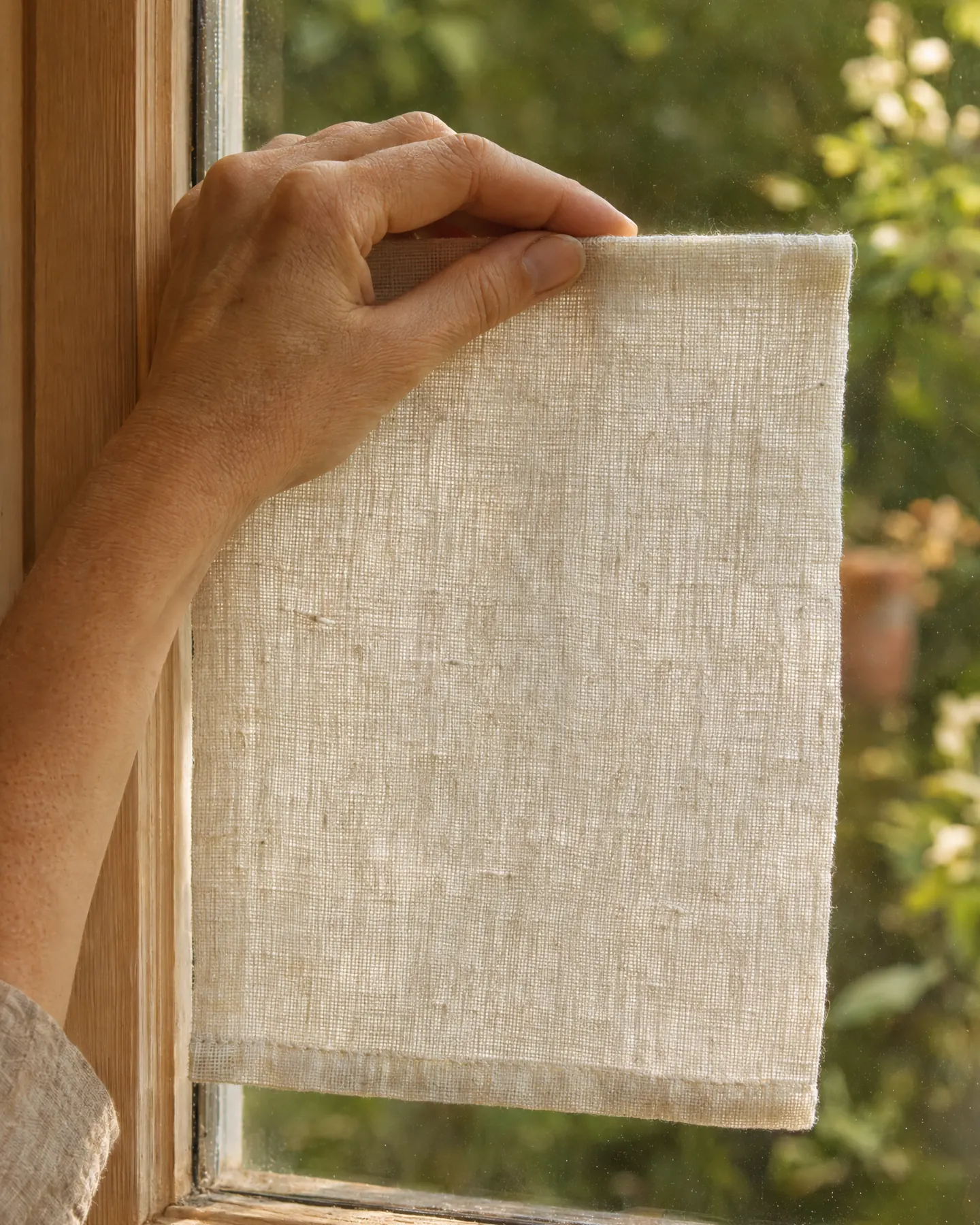
Step 01
Fabric at your window
We bring sheer, dimout and blackout fabrics, and you hold each one to the glass.
-
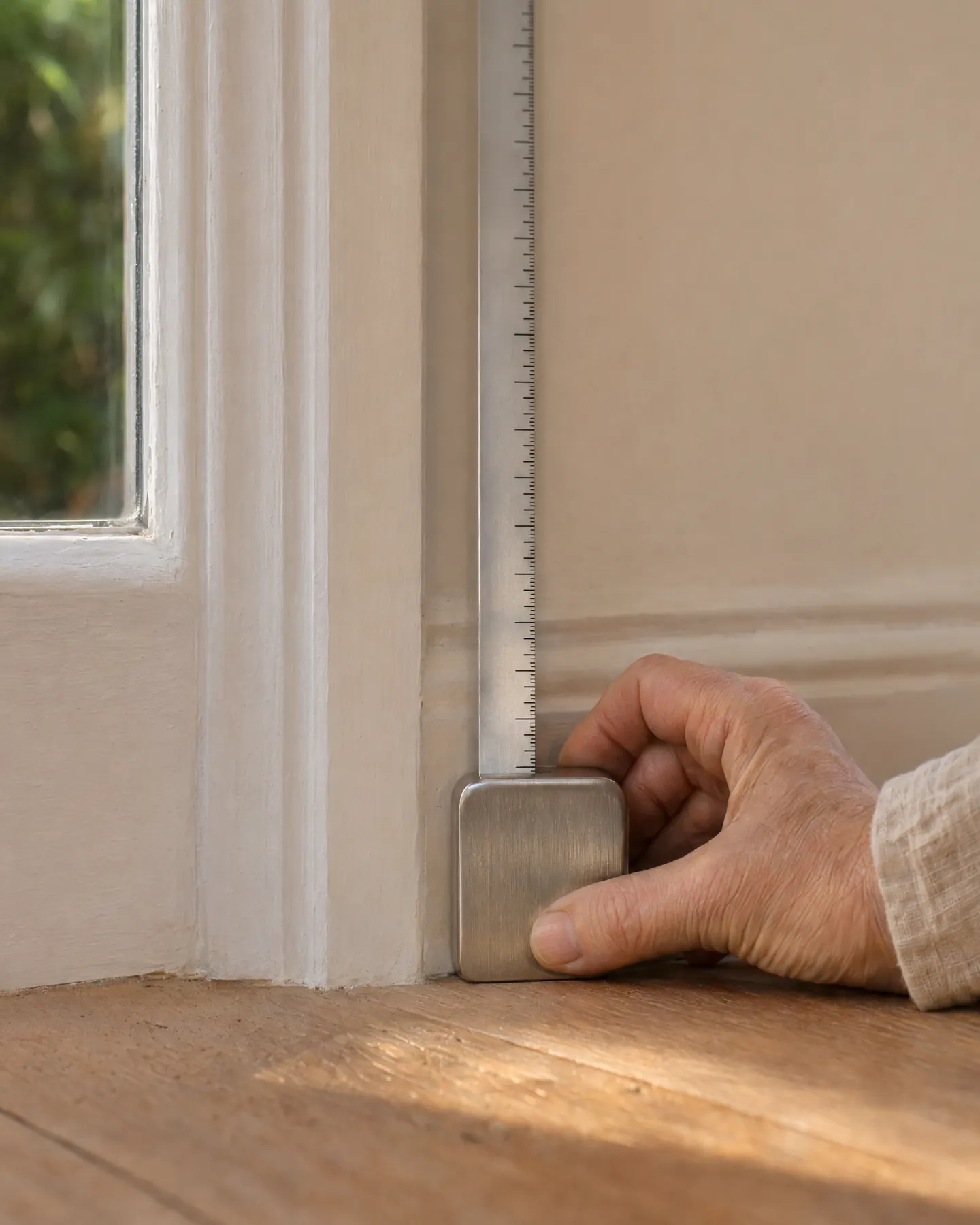
Step 02
The wall and the drop
We measure the wall beside each window, where the open panels gather, and the height to the floor for the hem.
-
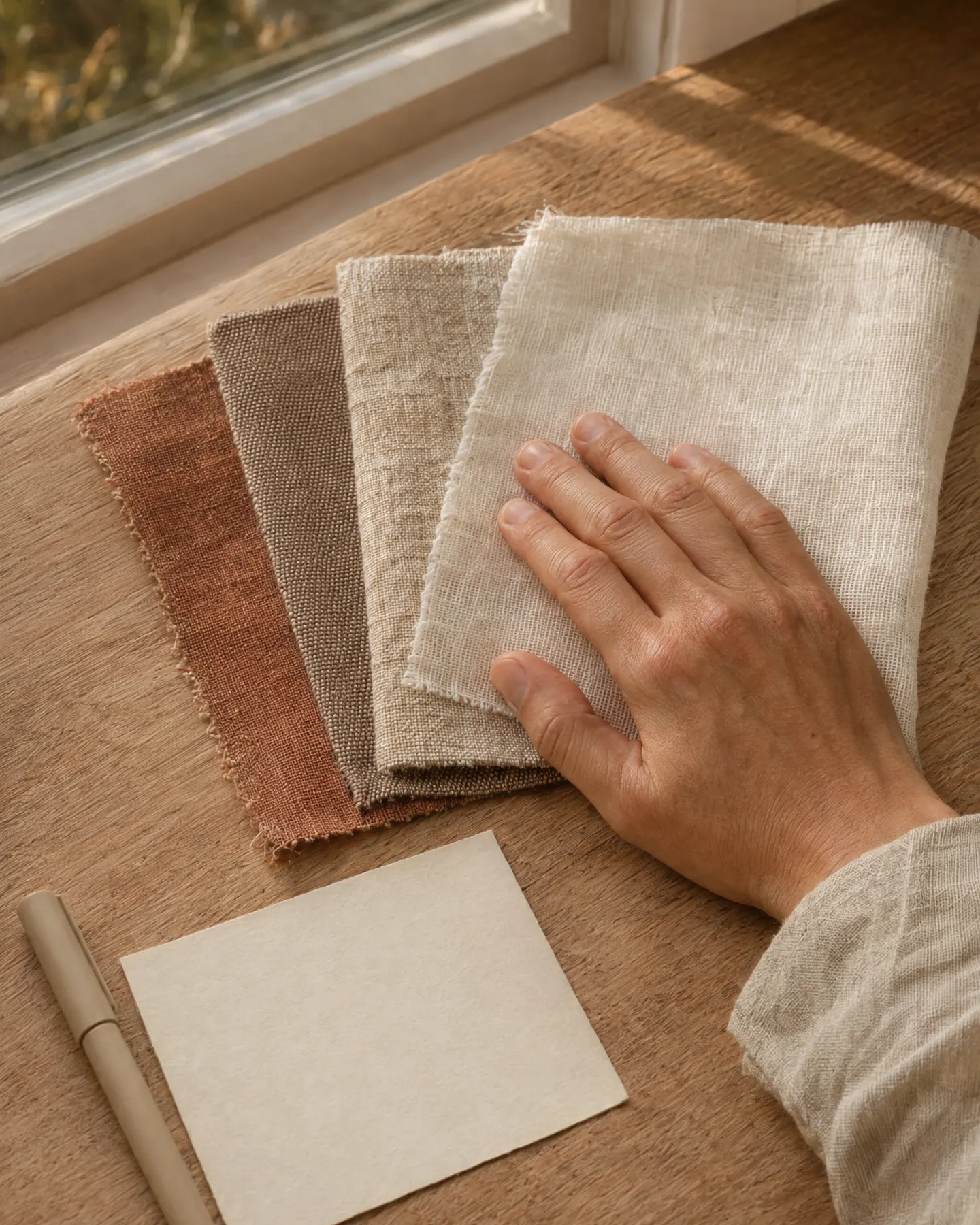
Step 03
A quote to keep
The quote is yours to keep while you think it over; nothing is ordered until you approve it.
-
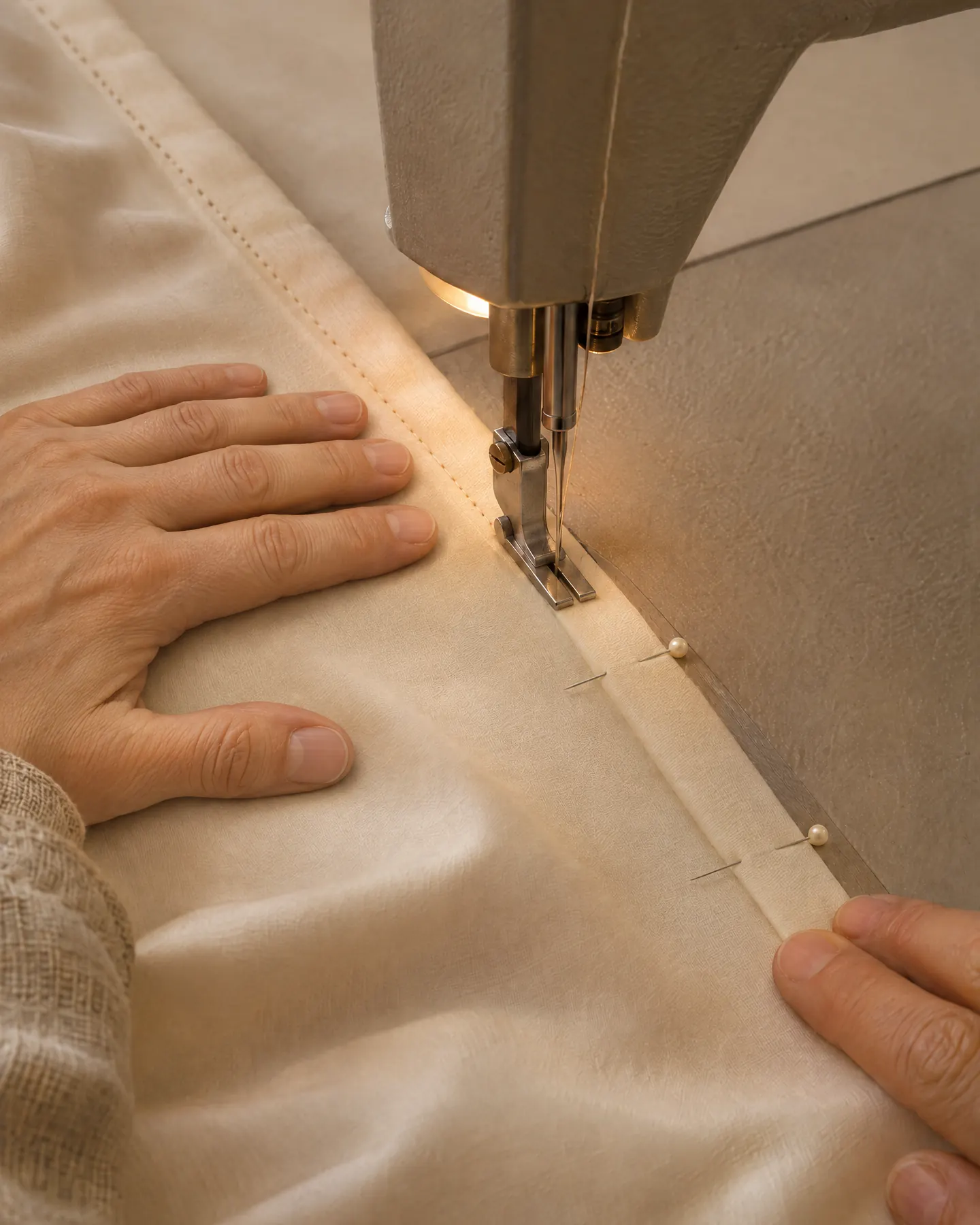
Step 04
Sewn and hung
Once you approve the quote and we receive your deposit, we sew your panels within 10 to 15 business days. A fabric, a motor or a track that has to be ordered in adds time. Then we book the hanging date with you.
Book a design consultation


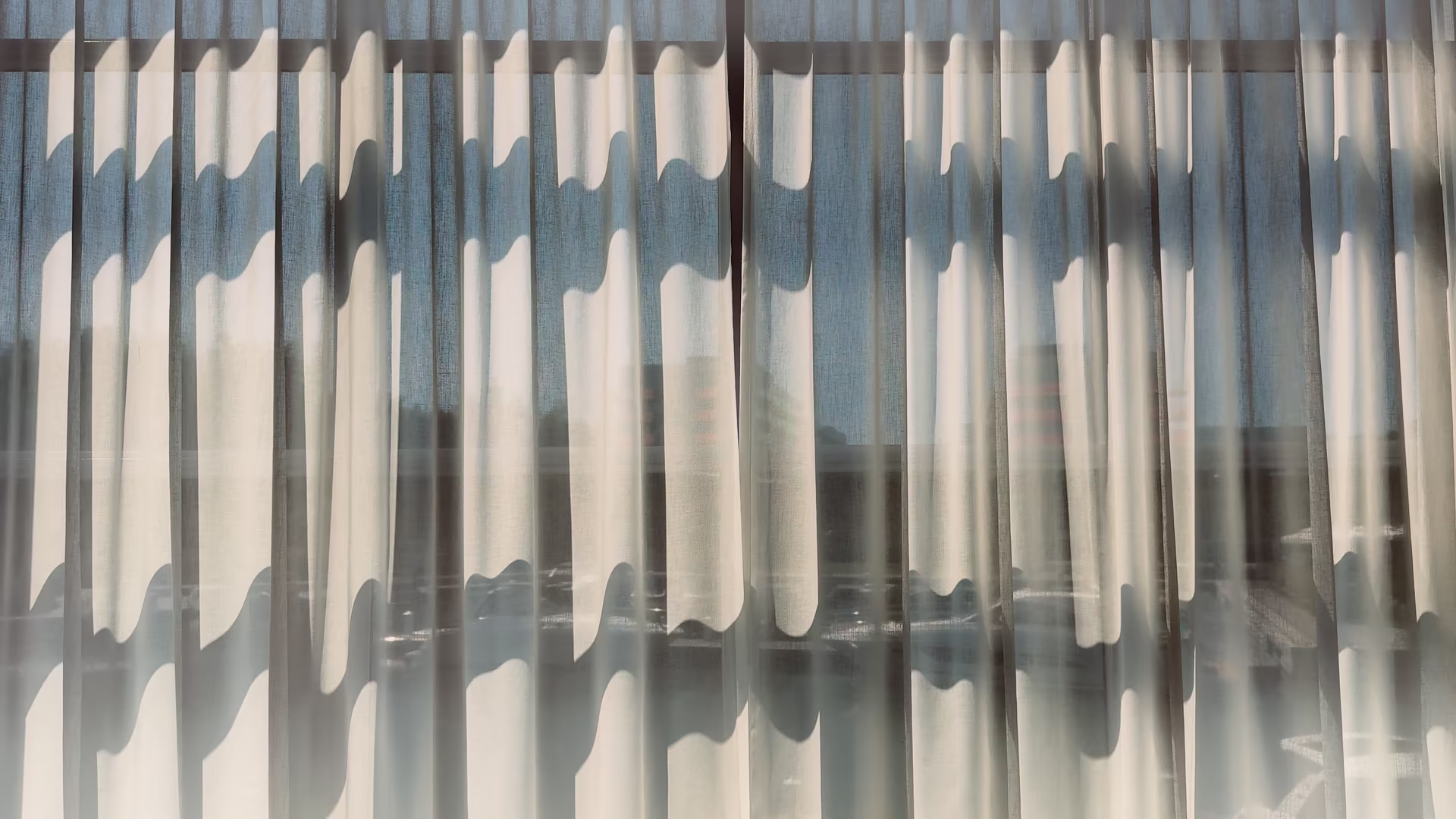
Your design consultant measures each window at your home or cottage. In our workshop, Tanya’s production team sews the panels from European fabrics, and Stan’s installers hang them.
See the workshopSpecifications
- Light
- Sheer, dimout or blackout fabrics
- Made
- Sewn in our Barrie workshop from European fabrics
- Fitting
- Hung by our own installers, on a date that suits you
- Warranty
- Three years against manufacturing defects; it does not cover improper use
Headings and pleats The top decides how it falls.
The heading is the sewn top of each panel. It sets the shape of the folds and what they hang from. There are ten to choose from.
-
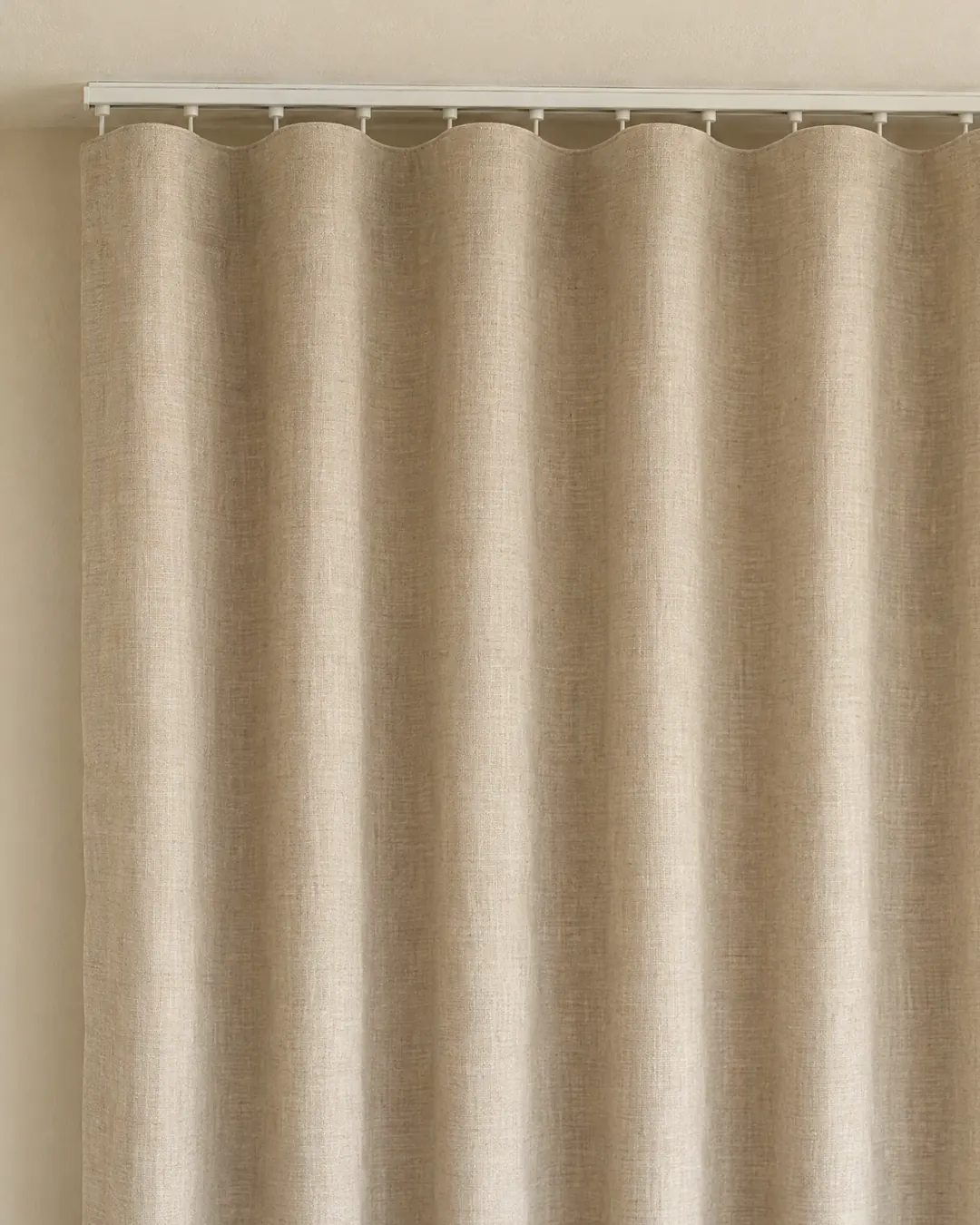
Wave
Ripple fold
Even, rounded waves that run on a track, by hand or by a motor. A calm, regular line for a wall of glass or a sliding door.
-
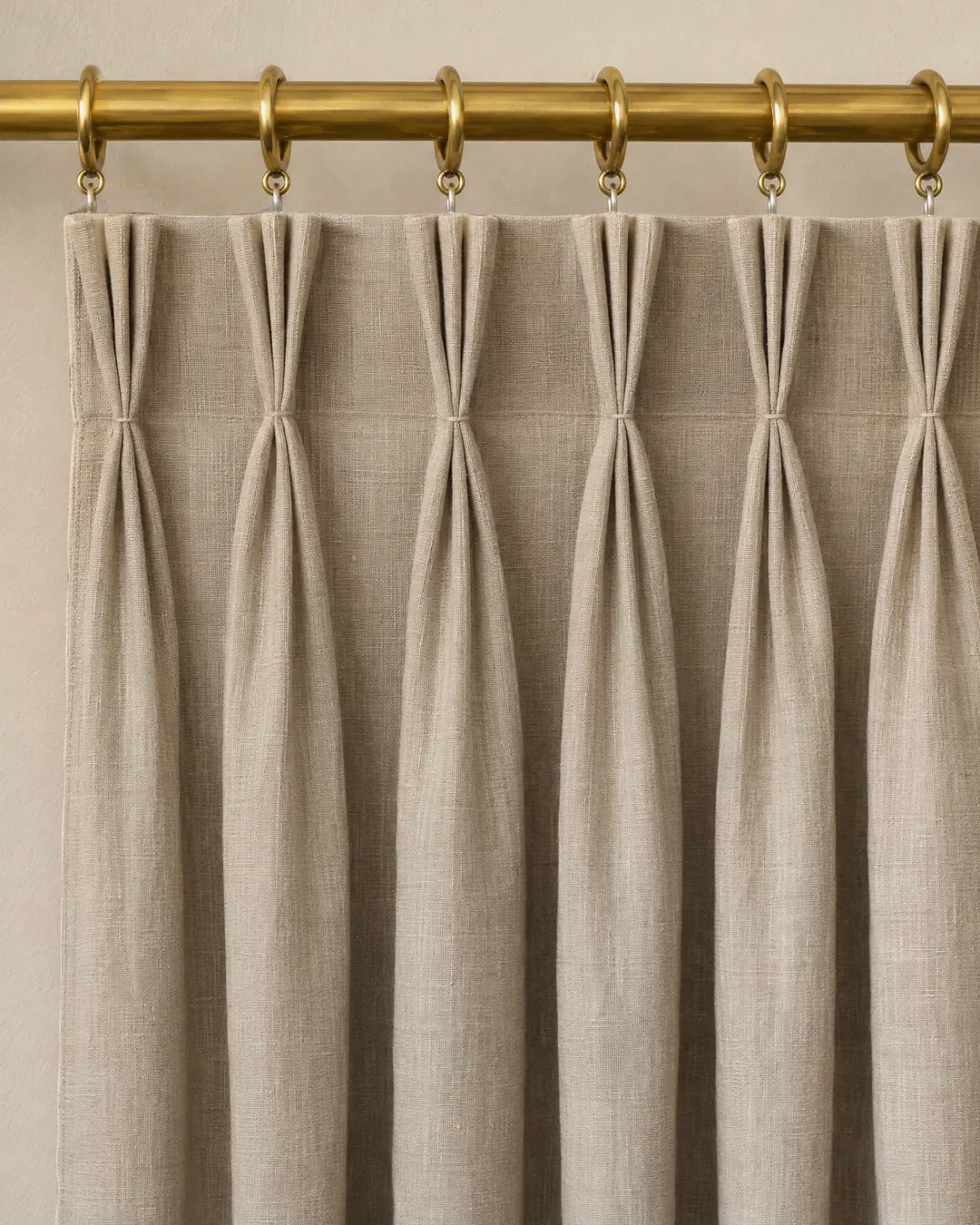
Pleated
Pinch pleat
Three folds stitched together at the foot of the heading, fanning above the stitch and full below it. Also called a French pleat.
-
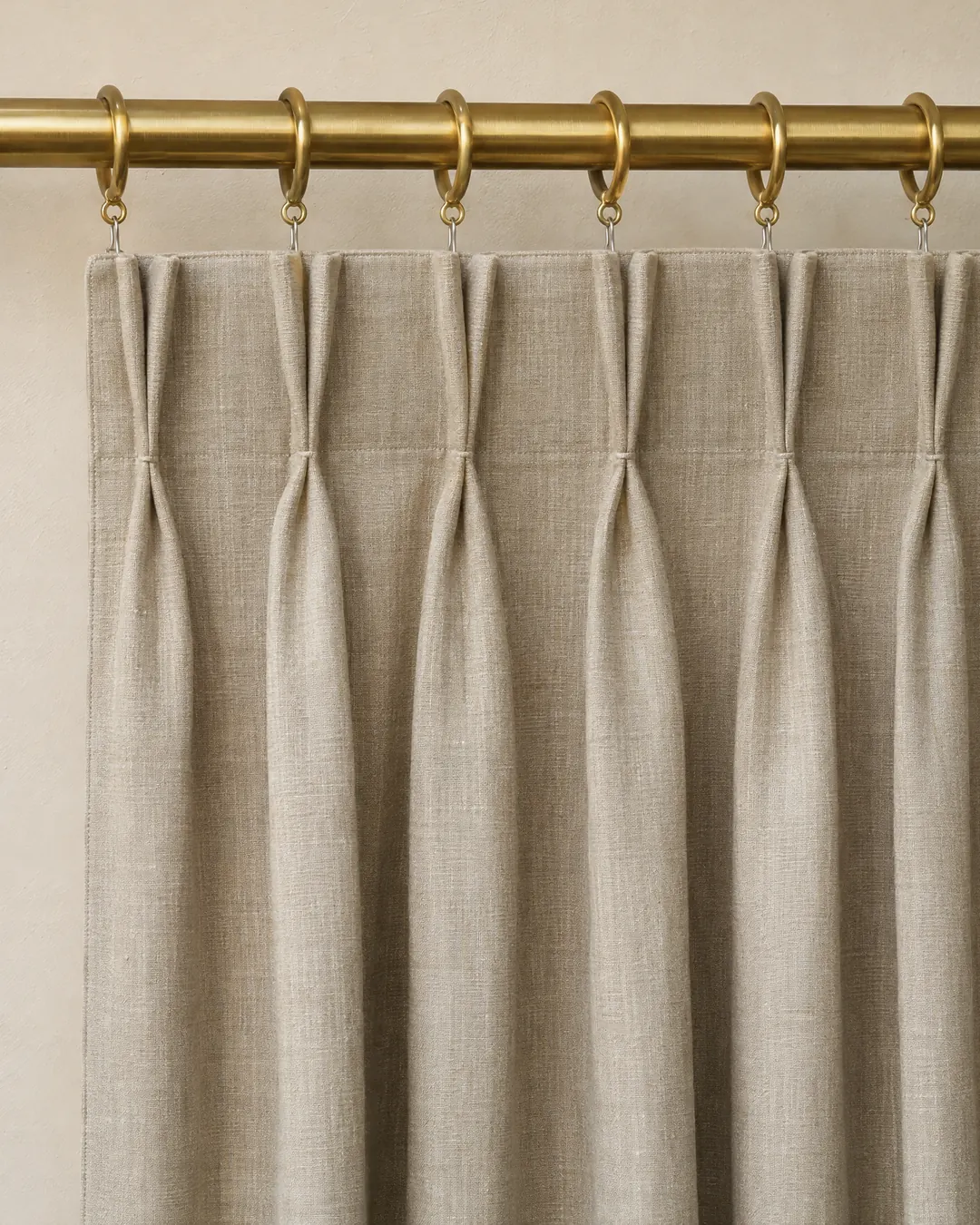
Pleated
Two-fold pleat
A pinch pleat with two folds in place of three: a lighter gather across the top, with less fabric in each pleat.
-
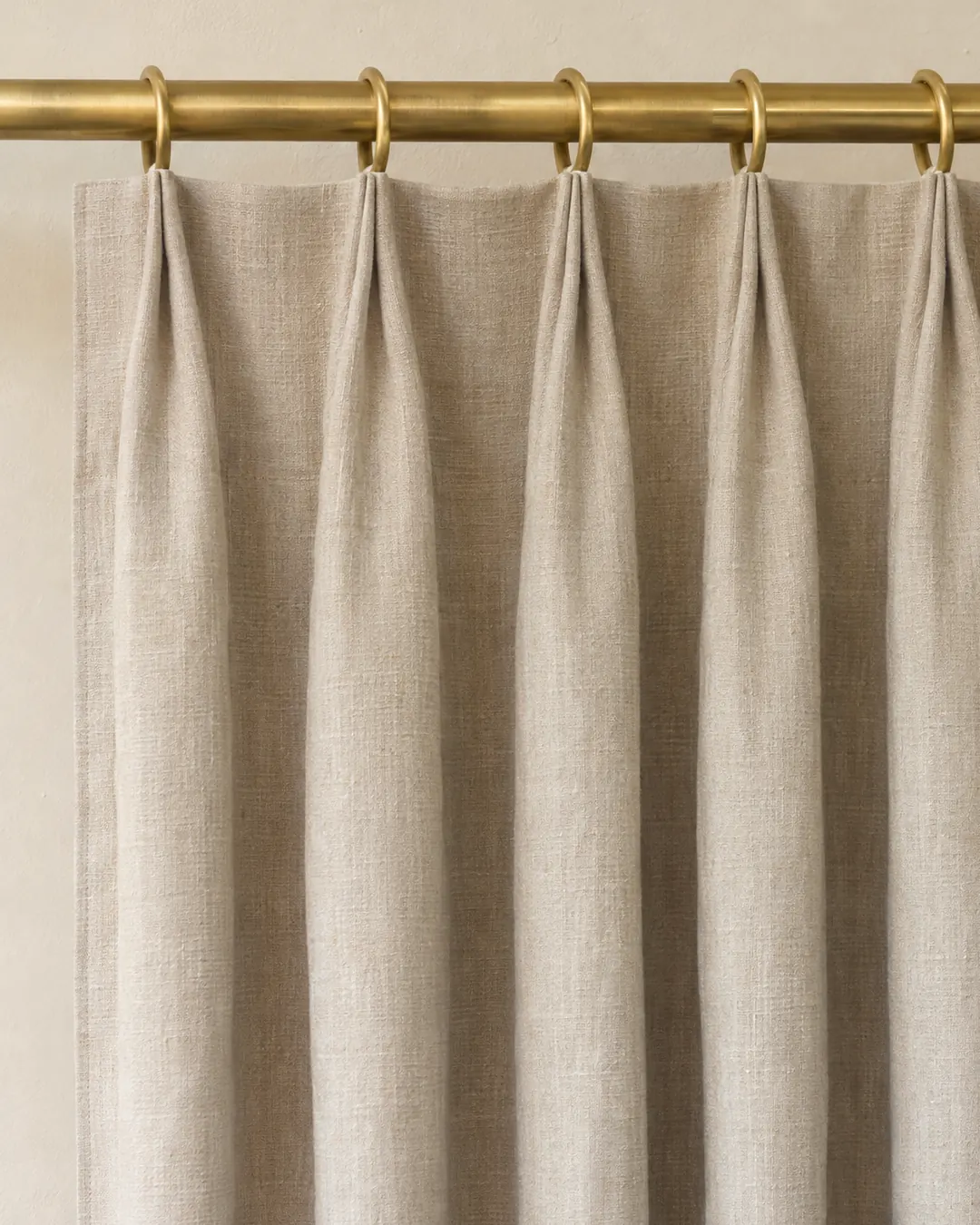
Pleated
Euro pleat
The folds are tacked at the top edge, not at the foot of the heading, so they open as they fall. Also called a tailored pleat.
-
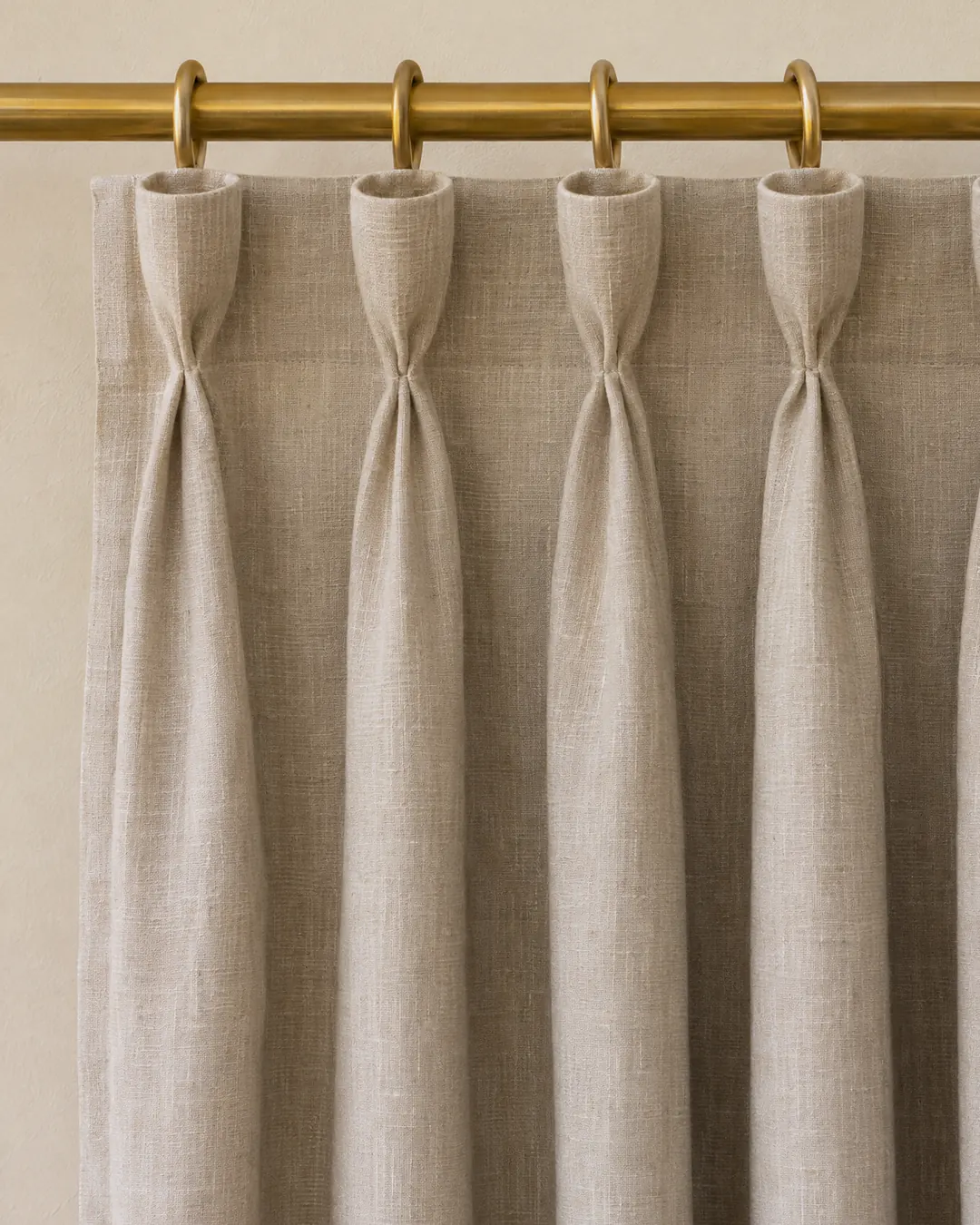
Pleated
Goblet pleat
Each pleat is rounded open like the bowl of a glass and stitched at its foot. Suits panels that frame a window and mostly stay in place.
-
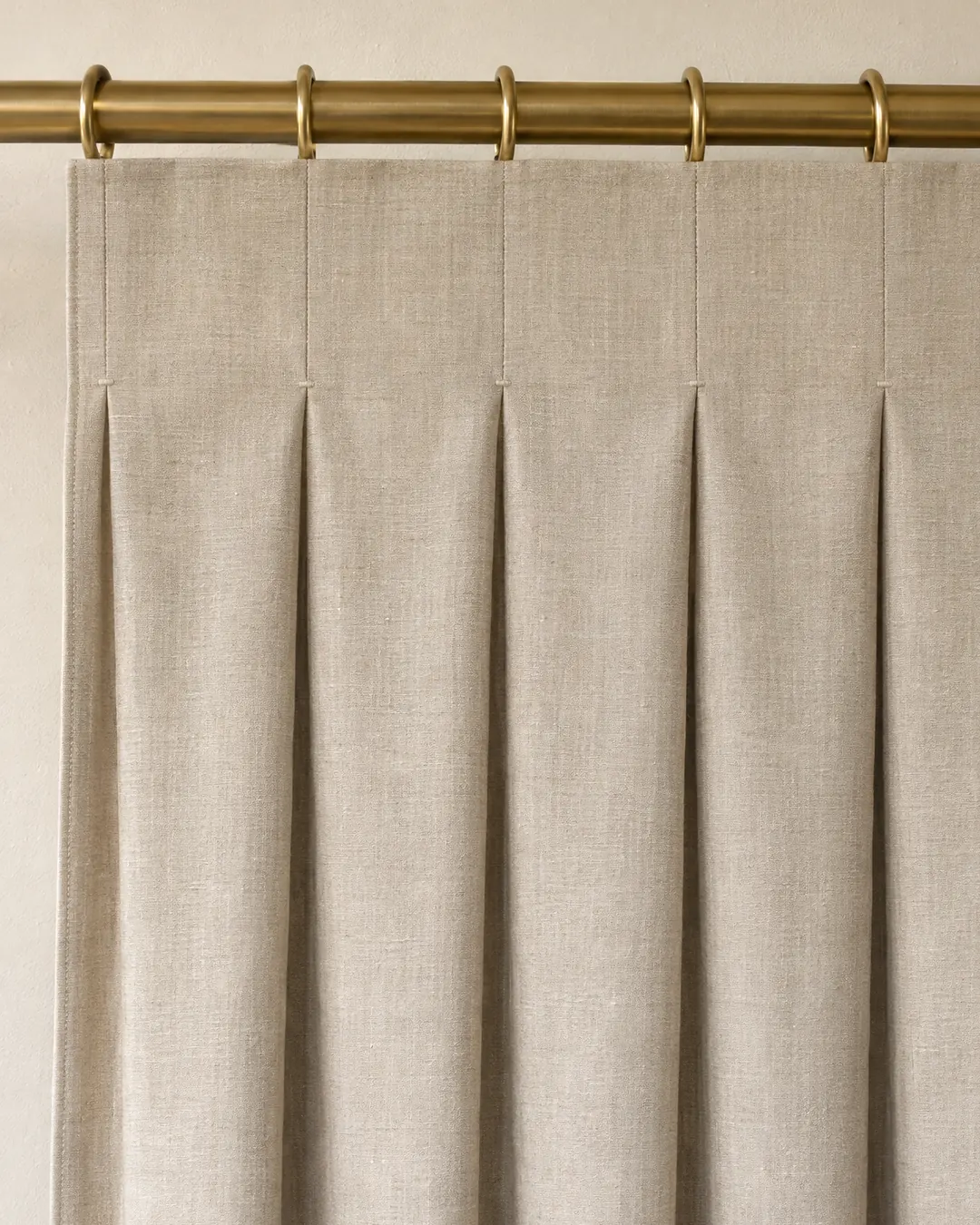
Pleated
Inverted pleat
The folds are turned to the back, so the heading lies flat and each pleat shows as a fine line. Also called a reverse box pleat.
-
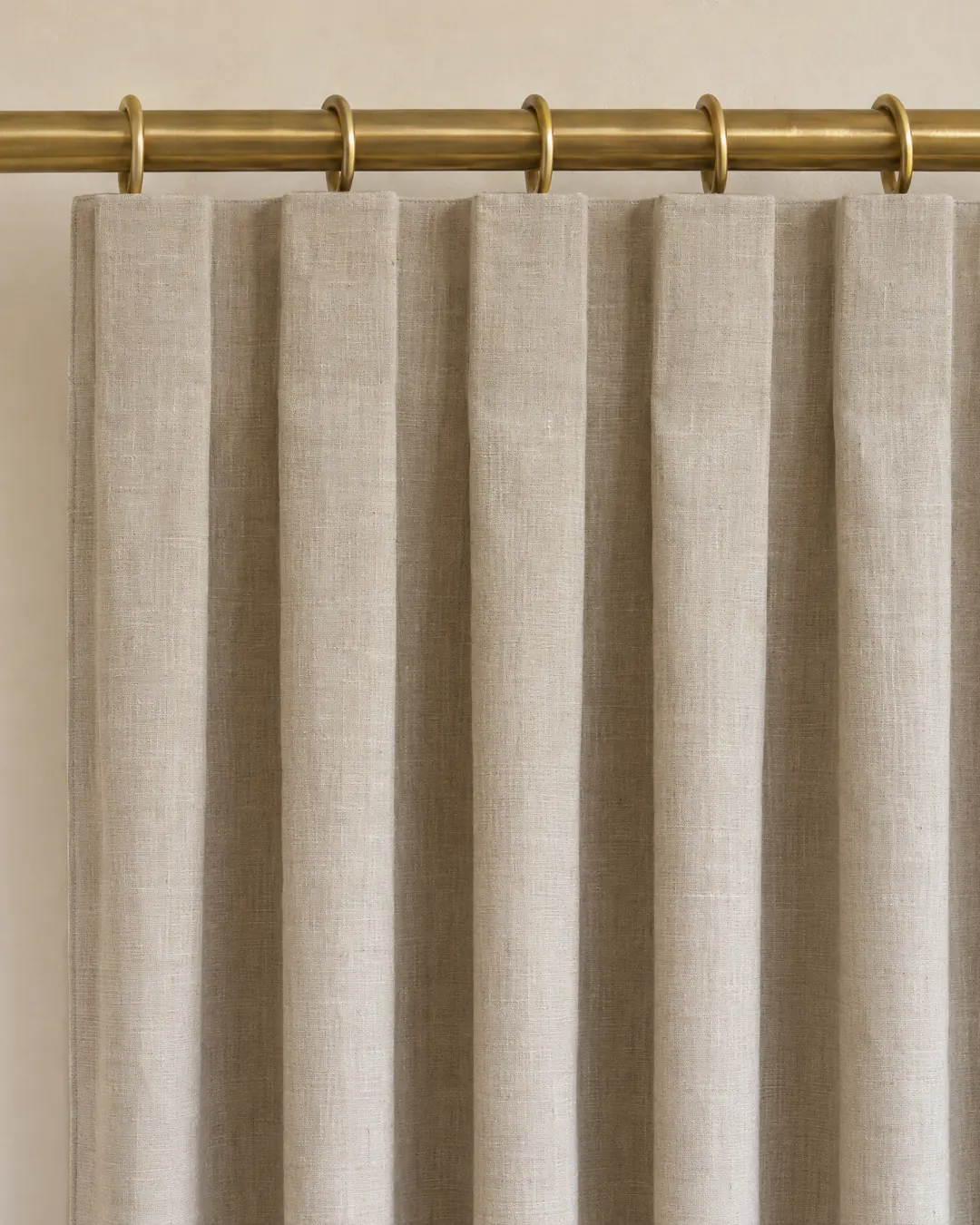
Pleated
Box pleat
Flat, square-edged pleats stand side by side across the top and fall as broad, straight folds.
-
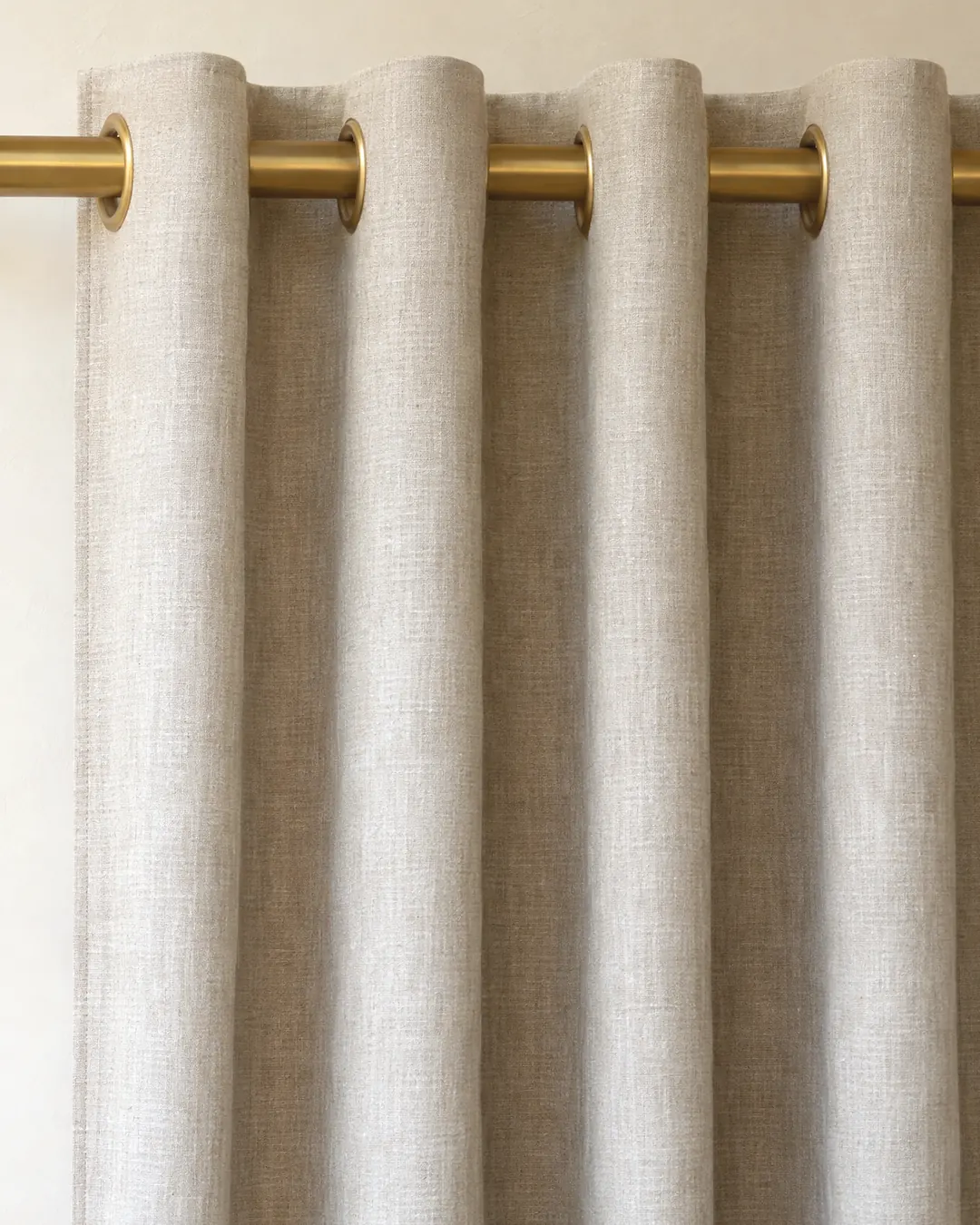
Eyelet
Grommet
Rings set into the top of the panel, with the rod passed through them. The fabric folds back and forth in deep, even curves.
-
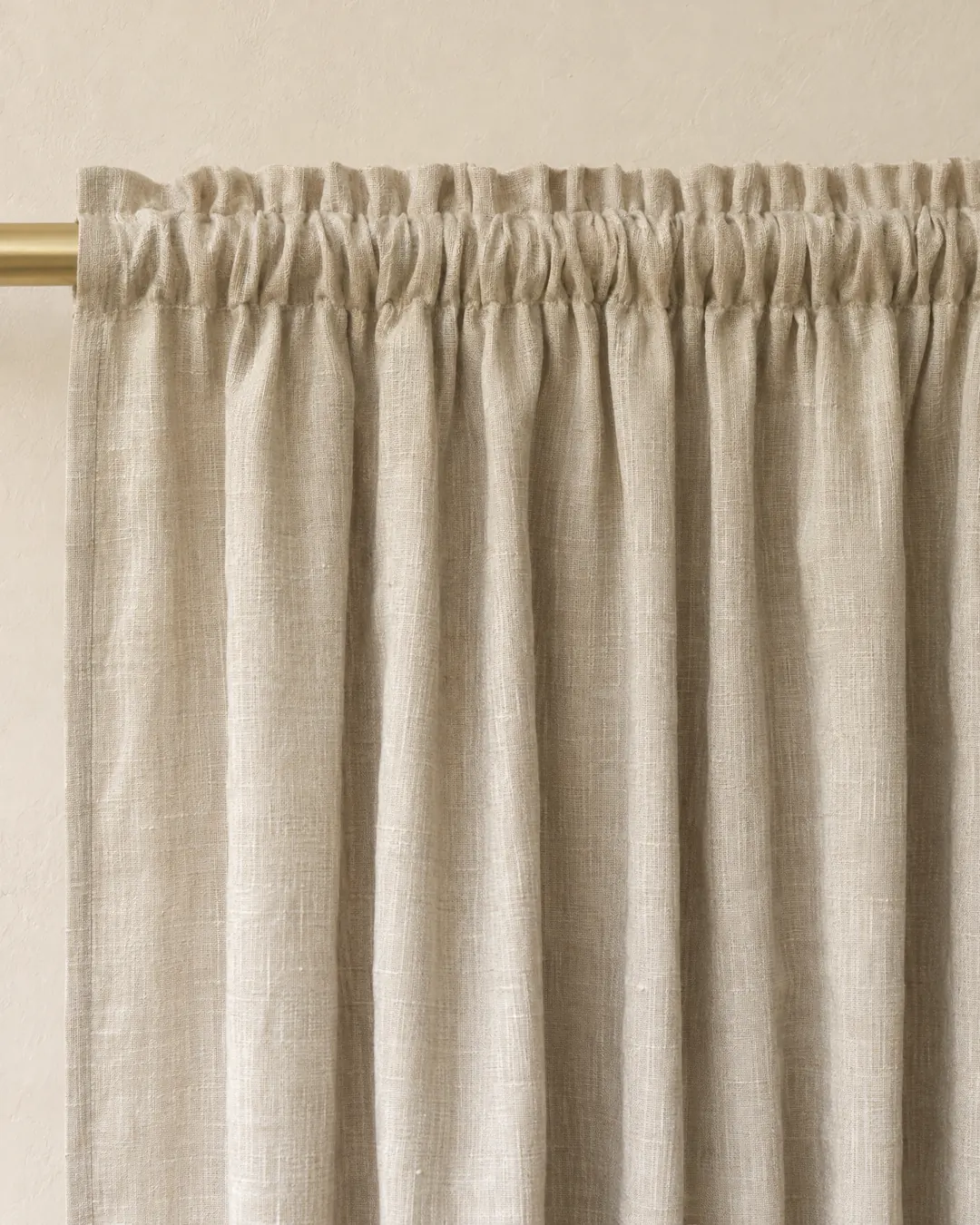
Gathered
Rod pocket
The rod slides through a sewn channel and gathers the fabric along it. Best for sheers and panels that stay in place.
-
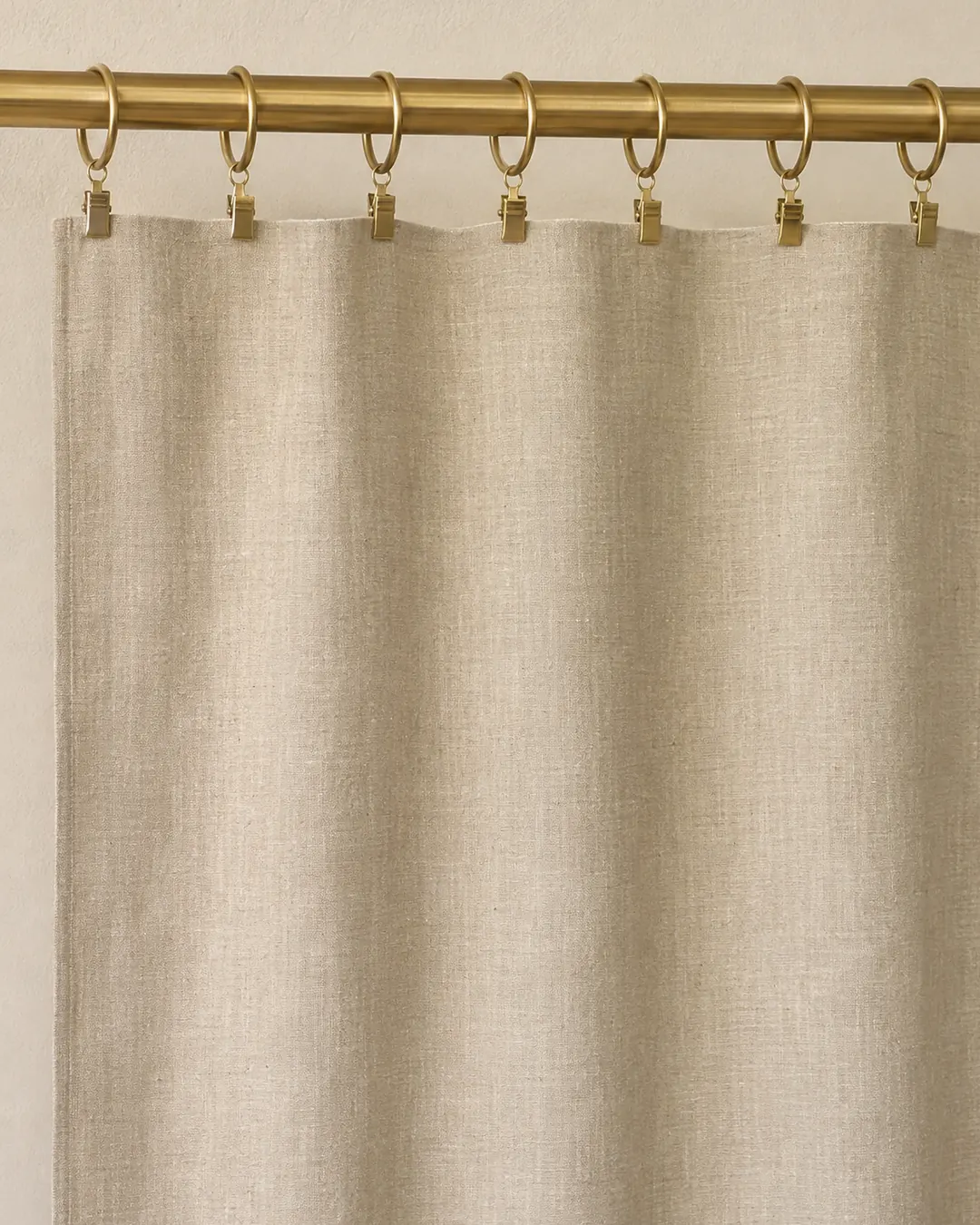
Flat
Flat panel
No pleats. The panel hangs from rings in broad, shallow waves, so a weave or a pattern shows across its width.


After the heading Lining, length, edge and track.
- Lining
- Unlined, lined or with a blackout lining
- Length
- Clear of the floor, resting on it or pooled
- Edge
- Plain, or a contrasting band on one edge or both
- Track or rod
- A rod with finials, a track or a track built into the ceiling and hidden from view
None of this needs deciding before the visit. Your design consultant goes over each choice with you at your windows.
What it costs The price follows the window.
Each order is quoted after measuring, because prices vary too widely for a published range. Four things matter most.
-
Width
How far the panels travel, and how much fabric the folds take.
-
Drop
The height from the track or rod to where the hem rests.
-
Fabric
Sheer, dimout or blackout, lined or unlined, in the fabric you choose from our samples.
-
Track and motor
The track or rod, and whether the panels are drawn by hand or by a motor.

The visit and the quote are complimentary. A motor with its wiring hidden in the wall also needs an electrician, whom you book; your design consultant talks it through with you at the visit, before you decide.
Book a design consultationQuestions Before you book.
For anything else, call (647) 381-4477.
Do you come to Toronto and to cottages?
Yes. Our design consultants bring the samples to homes and cottages across Barrie, Muskoka and the Greater Toronto Area, so each sheer is seen at the windows it is for.
How much wall do I need beside the window?
Enough for the panels to stack when they are open. How much depends on the fabric and the folds, so the consultant works it out at the visit. With room to spare, the stack sits clear of the glass and the whole view shows. Without it, the folds cover the edge of the window, so a roman shade or a roller shade, which rises in place of stacking to the side, fits it better.
When will my drapery be hung?
Your drapery is sewn within 10 to 15 business days of the day we receive your deposit, and we book the hanging date with you then. A fabric, a motor or a track that has to be ordered in adds time. If you need it by a particular date, tell us when you book.
Can a motor draw the panels?
Yes, and for drapery we recommend a wired motor over a battery one. It plugs into an outlet, or an electrician, whom you book, hardwires it and hides the wiring in the wall. A battery motor can draw the panels too, but on drapery its charge does not last long, so it has to be charged often. One remote can run a whole room. More on motorization.
Can you measure for blinds on the same visit?
Yes. Inside the frame, a blind or shade sets the daylight and the privacy; in front of it, drapery dresses the room and, in a blackout fabric, darkens it. Ask when you book, and we bring samples for zebra blinds, roller shades and solar shades too, and measure for both on one visit.
The consultation Hold a sheer to the glass.
Complimentary design consultation at your home or cottage. We bring the samples and leave you with a written quote.
We visit homes and cottages across Barrie, Muskoka and the Greater Toronto Area.
Choose where we meet, then a day and a time when everyone choosing can be there.
Loading the booking form. To book now, call (647) 381-4477.
To book, call (647) 381-4477 or email info@zebrablinds4you.ca.
Call
(647) 381-4477
Monday to Friday, 9 a.m. to 5 p.m.
Saturday and Sunday, by appointment.Call back
Ask us to call you
During business hours we usually call within the hour, and outside them on the next business day.Showroom
See the fabrics in person at our showroom and workshop.
Unit 3, 241 King St, Barrie, ON L4N 6B5
Directions